Welcome to the Tools for Change page. Here you will find contributions from our community of experts, fellow students and community activists! Browse our selection of video lectures, podcasts and visual projects.
IN THE SPOTLIGHT
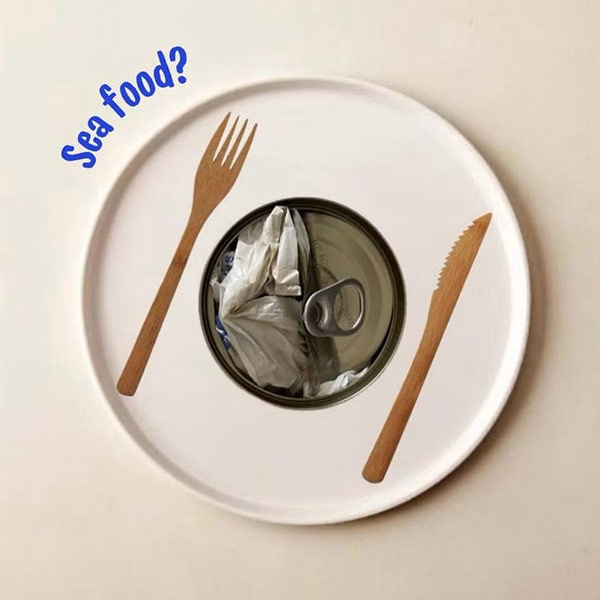
Greenwashing
The practice of making misleading or unsubstantiated claims about the environmental benefits of a product, service, or company policy. It involves conveying a false impression or providing misleading information about how a company’s products are more environmentally sound than they actually are. This deceptive marketing tactic is used to capitalise on growing consumer demand for environmentally friendly goods and services.
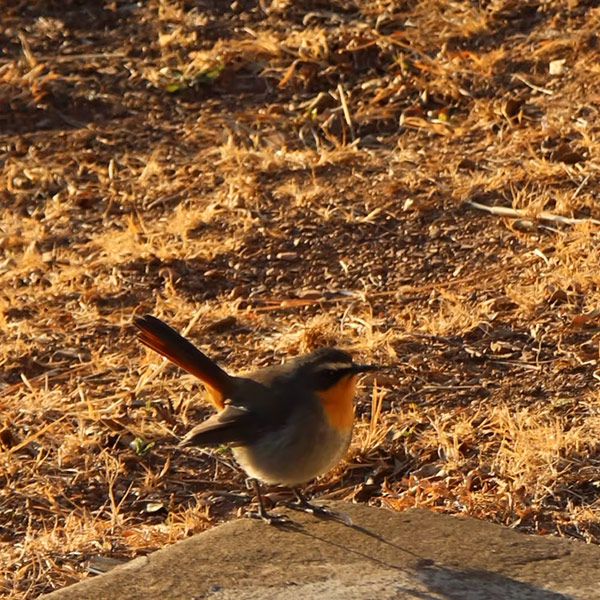
Anthropocene
A proposed geological epoch characterised by significant human impact on Earth’s geology and ecosystems. The term, derived from the Greek words “anthropos” (human) and “kainos” (new), suggests that human activities have become the dominant influence on the planet’s climate and environment. While the exact start date is debated, many scientists associate it with the Industrial Revolution in the late 18th century or the mid-20th century “Great Acceleration” of global changes. Key indicators include increased greenhouse gas emissions, widespread deforestation, biodiversity loss, and pervasive pollution.
Did you know that the term “Anthropocene” refers to the age of humans and suggests that our activities have significantly altered Earth’s geology and ecosystems? In fact, scientists estimate that human actions have already transformed over 50% of the planet’s surface! This dramatic change has led to discussions about whether we should officially recognise this new epoch in geological time. Interested? Continue learning about Anthropocene by Citizen Scientist Bryce Neale — student at the University of Pretoria.

Environmental Humanities
An interdisciplinary field that combines traditional humanities disciplines with environmental studies to explore the complex relationships between human culture and the natural world. It examines how cultural, ethical, and social factors shape our understanding of environmental challenges, encouraging critical analysis of ideologies and practices while providing historical context to inform contemporary solutions.
Explore how Suné Erasmus utilises the lens of environmental humanities in a visual essay entitled:
Unveiling the Quiet Destruction of Our Planet.
Project Earth x Environmental Humanities
Project Earth is proud to present an exciting collaboration between Project Earth and the School of the Arts at the University of Pretoria’s third-year Visual Culture Studies course.
This innovative course, led by Dr Rory du Plessis, explores the communication processes that shape visual images and visual culture in society. Students have applied these techniques to interpret and understand environmental issues within our society, contributing to the broader Environmental Humanities agenda.
Take a peek at some of the students’ assignment contributions, which explore terms such as “Environmental Humanities” and “Anthropocene” through visual representations of environmental and climate issues in our society!
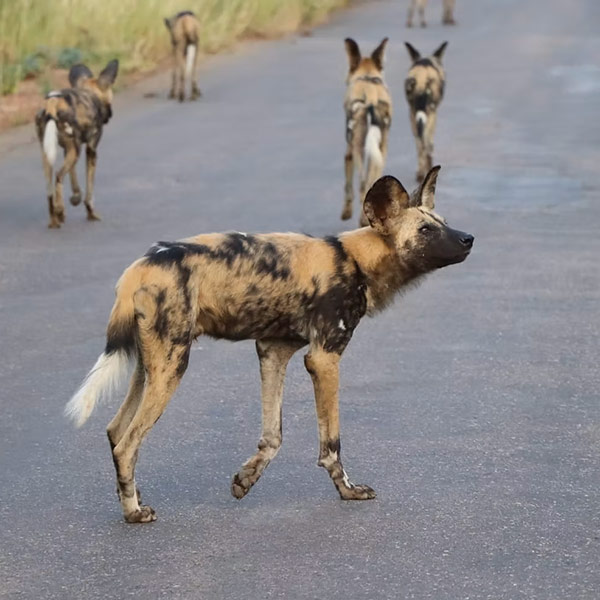
Slow Violence
Slow violence refers to gradual, often invisible forms of harm that occur over extended periods and across wide areas. Coined by Rob Nixon, it describes environmental degradation, pollution, and climate change impacts that unfold slowly but have severe, long-term consequences, particularly affecting vulnerable populations. This concept highlights how these attritional forms of damage often go unrecognised due to their cumulative nature and lack of immediate visibility.
What’s the link between wild dogs and slow violence? Find out more:
Link: https://suzettew15.wixsite.com/fragileearth/post/slow-violence-and-habitat-fragmentation
Photo: Image depicts a pack of wild dogs photographed close to Punda Maria rest camp, Kruger National Park. Photo taken by student (name not specified).
Cup of Contradiction / Brooklyn, Pretoria by a Visual Culture Studies student
Explore how this “Cup of Contradiction” is a visual representation of Greenwashing. Can you think of any examples in your everyday life? See how this student visually captures environmental issues in their everyday experience.
Link: https://u22540939.wixsite.com/environmental-humani/gallery
Project Earth x The Global Classroom
In April 2024, Project Earth teamed up with the Department of Political Science at the University of Pretoria to co-host a lecture series entitled:
Watching Rome Burn…? The Effects of International Governance Bodies and Extra-Environmental Groupings
The Global Classroom is an innovative postgraduate initiative which facilitates co-learning and collaboration between students at the University of Pretoria (South Africa) and Le Mans University (France).
The primary lecture on Global Drivers of Natural Resource Governance Policy in Africa was delivered by Dr Emmanuel Nuesiri (link to ORCID ID: https://orcid.org/0000-0002-4184-5259).
This collaboration represents one of Project Earth’s efforts to provide accessible information, tools and training on conservation. So, whether you are a seasoned conservation enthusiast or new to conservation, make sure to check out the lecture which provides fantastic foundational insights into the institutional and policy landscape of natural resource governance in Africa.
Project Earth x Conversations That Matter
Welcome to Conversations That Matter, the podcast series by Project Earth. In this series, we connect with experts, activists, and eco-warriors making an impact on the frontlines of conservation and climate change. Together, we explore their insights, share practical tips, and tackle the pressing questions shaping the future of our planet.
Dive into our latest conversations and be inspired to take action!
Podcast 1: In conversation with Andrew Ardington
Founder, Regenerative Agriculture Association of South Africa (RegenAg SA)
Website: www.regenagsa.org.za
Can Regenerating Soil Save the Planet?
In this thought-provoking conversation with the Regenerative Agricultural Association of Southern Africa (RegenAg SA), we explore how transforming the way we grow our food and fibre can radically improve our health, restore ecosystems, and fight climate change. Learn how healthy soil is at the heart of clean water, carbon balance, and sustainable farming — and why regenerative agriculture might just be the key to a more resilient future.
Tune in to uncover:
- The link between soil health and planetary health
- How degraded soil impacts the environment and our wellbeing
- Innovative methods for restoring soils
- The challenges of scaling up soil regeneration
Podcast 2: In conversation with Dibblex Lesalon
Communications Officer Mara Elephant Project https://maraelephantproject.org/
From Conflict to Coexistence: Inside the Mara Elephant Project
In this compelling episode, we delve into the heart of elephant conservation with the Mara Elephant Project (MEP). Established in 2011, MEP is dedicated to protecting elephants and their habitats across Kenya’s Greater Mara Ecosystem, addressing critical issues like poaching, human-wildlife conflict, and habitat loss.
Discover how MEP employs innovative strategies to safeguard these majestic creatures and promote harmonious coexistence between wildlife and local communities.
Tune in to uncover:
- Effective conservation strategies in the Greater Mara Ecosystem
- The role of community engagement in wildlife protection
- How to communicate effectively to aid your conservation efforts